
10 things I learned at the Future of Finance Summit in Singapore
1 - Don’t say the F word.
No not that word. Fintech. The Founder of The Asian Banker, Emmanuel Daniel, drove this point home by holding up a jar during his opening speech on the first day of the event demanding a person pay S$1 each time they said the f word.
The point he seemed to be making is that we have come to use fintech so loosely that it has lost its meaning. Fintech is short for financial technology and it’s so broad and all encompassing that we, especially in financial services, lose sight of the gravity of the digital transformation happening before our eyes.
He stressed the new power of the consumer demanding friction-less financial services in many different verticals including payments, lending and investing. He left the audience with a somber warning that the banks that become leaders in the digital economy will survive and the ones that don’t will die within the next 20 years.
1 - Don’t say the F word.
No not that word. Fintech. The Founder of The Asian Banker, Emmanuel Daniel, drove this point home by holding up a jar during his opening speech on the first day of the event demanding a person pay S$1 each time they said the f word.
The point he was making is that we have come to use fintech so loosely that it has lost its meaning. Fintech is short for financial technology and it’s so broad and all encompassing that we, especially in financial services, lose sight of the gravity of the digital transformation happening before our eyes by not understanding it more deeply.
He stressed the new power of the consumer demanding friction-less financial services in many different verticals including payments, lending and investing. He left the audience with a somber warning that the banks that become leaders in the digital economy will survive and the ones that don’t will die within the next 20 years.
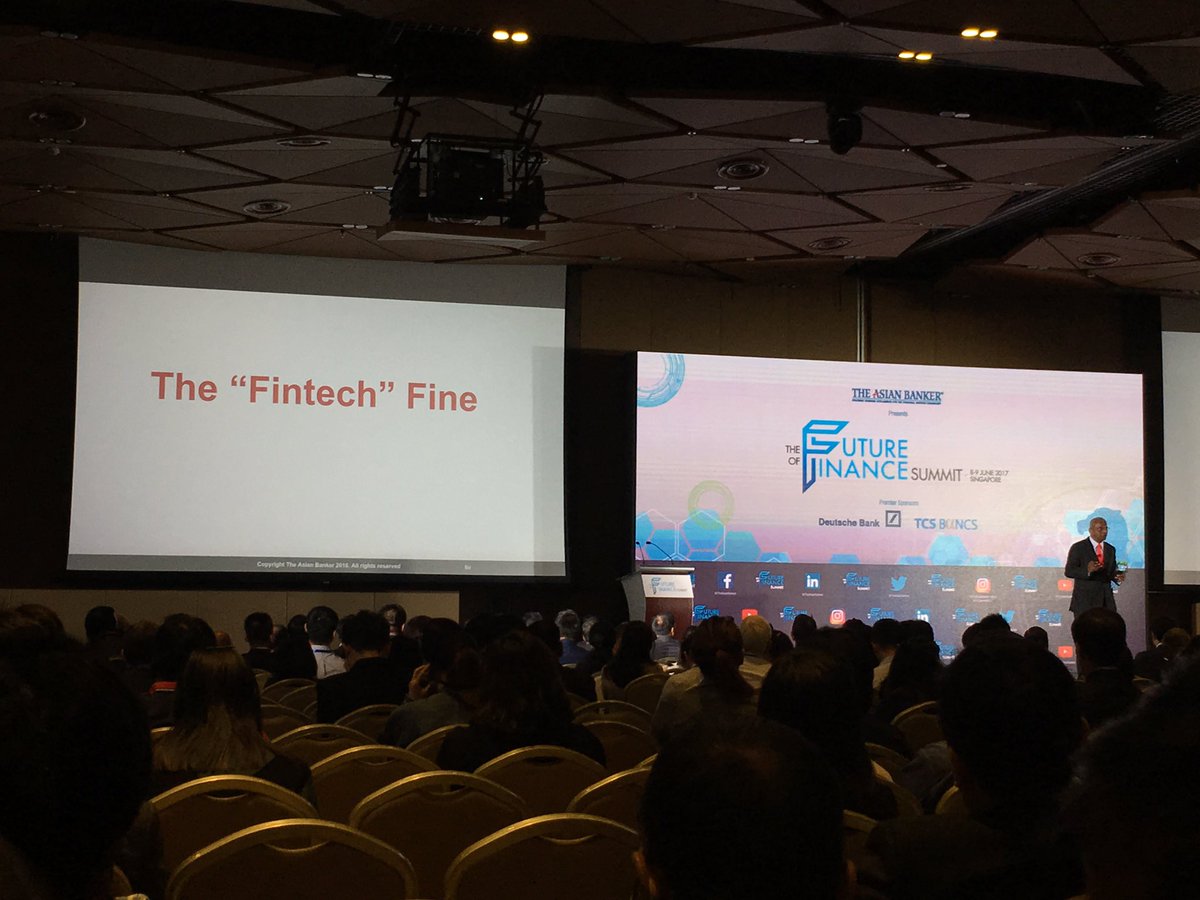
Founder of The Asian Banker Emmanuel Daniel giving his opening speech
2 - Fintech could lead to a decrease in systemic risk, at least in the beginning
Barney Frank predicted that the innovations coming out of fintech will likely lead to regulatory frameworks more focused on consumer protection as opposed to rules addressing systemic risk.
Mr. Frank argued that peer-to-peer (P2P) lending could create regulatory concerns of due diligence and consumer protection, but it wouldn’t pose the type of systemic risk created by mortgage backed securities from the 2007-2008 financial crisis. Then again will we see derivatives spin out from these P2P lending platforms?
3 - The regulatory tug of war could get worse
The fight between national and state regulators in the US could heat up as Trump finishes appointing financial regulators.
4 - Being a regulator is a tough job, but somebody's got to do it
Regulators should not wait too long to update the rules and need to ensure the rules they do impose don't stifle innovation.

Former Congressman Barney Frank
5 - If you work in operations, you may want to take a few online courses to learn some new skills
Blockchain has the potential to reduce middle and back office costs by $20 billion or more. A good portion of these costs can be attributed to salaries.

David Shrier giving a fast paced and data rich presentation
6 - The future of cyber attacks is about to get worse
Cyber attacks are likely to increase in the future and we will probably start seeing impacts on the physical world and critical infrastructure. Wannacry was just the tip of the iceberg.
7 - Even Somali pirates are innovating, are you?
Less sophisticated criminals can partner with hackers to reduce risk and increase profits from physical robberies. This was illustrated by Somali pirates partnering with a hacker who was able to breach a content management system (CMS) and identify high value items on vessels in specific shipping containers.
8 - Incidence response plans must be real
It’s not enough to simply have a nice slide deck describing what would be done when something goes wrong. Each step needs to be carefully planned, but also rehearsed. For example, does the organization have an ability to press a button and get a phone call and text message out to all their employees that the incidence response plan has been activated? If, company laptops are quarantined due to a malware incident, does the organization have a backup site they can get up and running in a matter of hours?
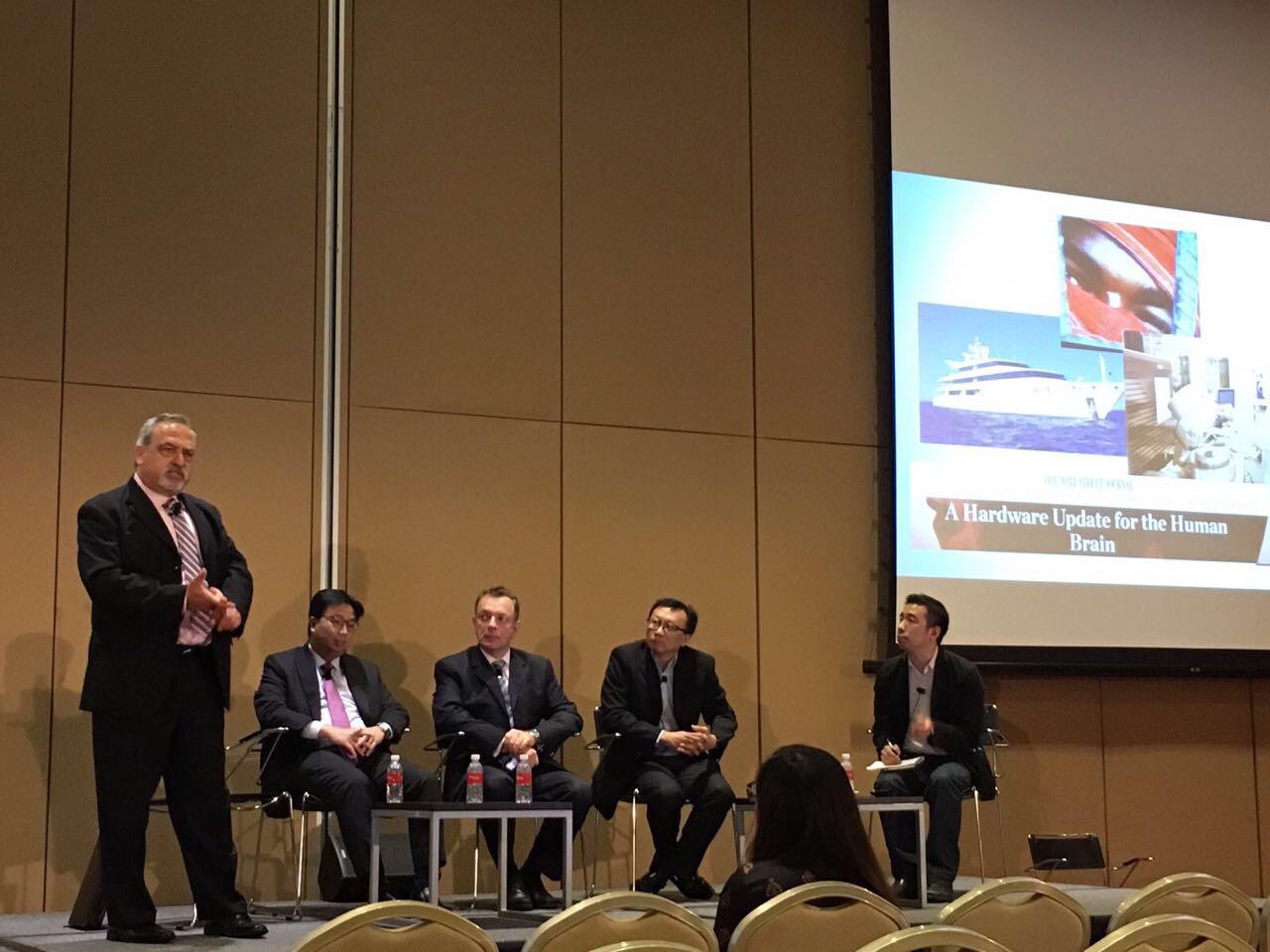
Howard Mannella presenting on incidence response plans
9 - Artificial intelligence (AI) is even coming for lawyers!
I had the honor of being on the Cybersecurity Thinking Global, Acting Local panel after Professor Marco Gercke gave his presentation on “The Future of Banking – Between the Opportunities of Artificial Intelligence/Machine Learning and the Challenges of Cyber Threats.”
Professor Gercke described an experiment he participated in where lawyers were put in a room and asked to negotiate a contract within 12 hours and provide a price for it. After the experiment they were informed that the an AI machine was asked to do the same task. Remarkably, when the two contracts were compared they were almost identical, except for one clause.
A law firm was hired to determine which contract was better and it took them two weeks to figure out the AI produced the better contract. Why? Because the lawyers didn’t know that the clause they included in their version was contested in two small jurisdictions which is why the AI changed it.
He ended by mentioning that the fundamental issue with the real world applications of AI is trust. Can I trust what the machine is telling me?
10 - Estonia is a global leader in digital government
Still confused about blockchain? Watch this short video on the technology Estonia uses that has propelled it to global leadership in digital government. While this system would have serious hurdles to overcome in large and complex jurisdictions such as the US, it does provide some interesting food for thought. How much money do governments waste on inefficient and outdated processes?
Many thanks to Emmanuel Daniel, Robin Lee 李显龙, David Gyori, Howard Mannella, CBCP, Ka Wei Yuen, David Shrier, Gerlinde Gerber, Theo Nassiokas and all of the other speakers, moderators, delegates and staff. The Future of Finance Summit #FOFSummit17 was truly a great event and I enjoyed meeting so many great people!!

Former Congressman Barney Frank and Keith Furst selfie
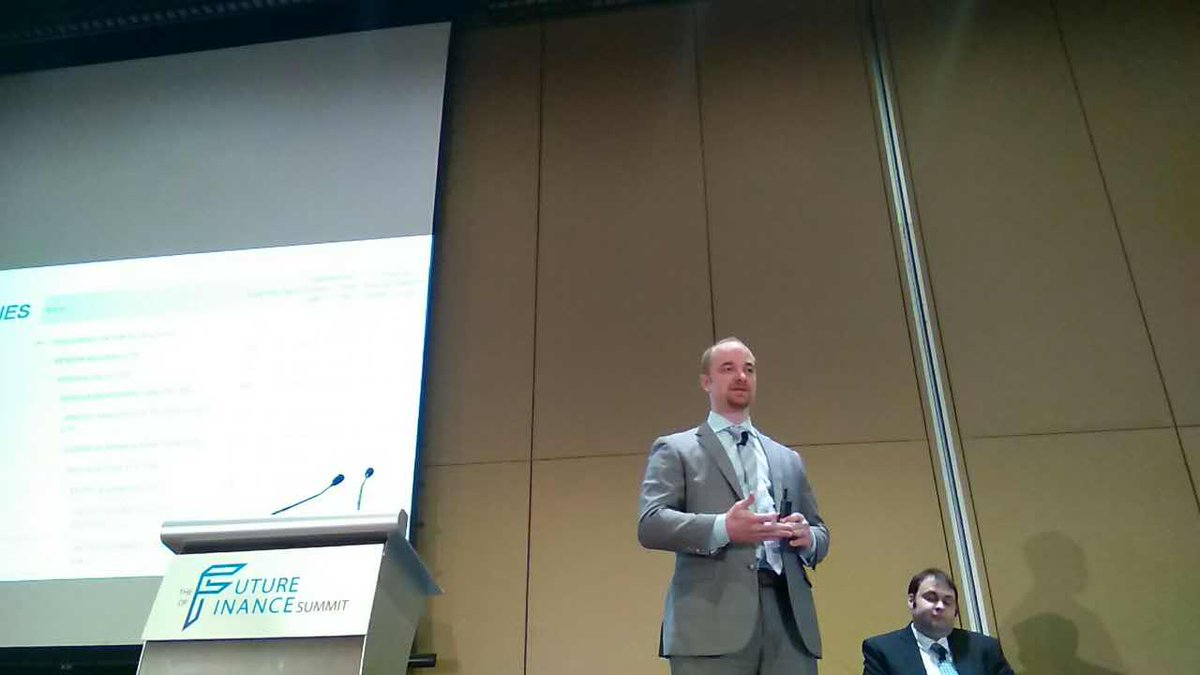
Keith Furst presenting on digital identity

B2B Fintech: Payments, Supply Chain Finance & E-invoicing Guide 2017
A new guide produced by The Paypers explores the evolving world of transaction banking, B2B payments, supply chain finance & e-invoicing market
By downloading the 2017 Guide, you will learn:
what shapes digital transaction banking: the journey towards customer centricity (Innopay, BNY Mellon), the benefits of digital solutions for (currently underserved) corporate customers (Aite Group, Nordea), how banks are preparing for the upcoming regulations of PSD2 (Open Banking and APIs), KYC & the 4th AML directive (Deutsche Bank, Accenture, Data Derivatives);
Editors Note: This guide post originally appeared on The Paypers on March 13, 2017.
A new guide produced by The Paypers explores the evolving world of transaction banking, B2B payments, supply chain finance & e-invoicing market
By downloading the 2017 Guide, you will learn:
what shapes digital transaction banking: the journey towards customer centricity (Innopay, BNY Mellon), the benefits of digital solutions for (currently underserved) corporate customers (Aite Group, Nordea), how banks are preparing for the upcoming regulations of PSD2 (Open Banking and APIs), KYC & the 4th AML directive (Deutsche Bank, Accenture, Data Derivatives);
what are the driving forces in B2B payments: instant payments (Tieto, UniCredit), unified APIs (NACHA), the drivers for banks and corporates in developing their payment strategies (Strategic Treasurer), the opportunities in the European commercial card and payments (CleverAdvice);
Furthermore, you will learn about:
the trends in supply chain finance: how to successfully start a supply chain finance programme (Orbian), how logistics service providers are shaping the future of supply chain finance (Supply Chain Finance Community), the evolution of terminology (ICC Banking Commission), and the reason why supply chain finance is not meeting its promise to SMEs (Capital Chains);
what are the opportunities and challenges in achieving treasury maturity (Zanders), how fintech transforms supply chain finance (Hitachi Capital America), and the supply chain growth strategies in the emerging markets (Standard Chartered Bank);
Finally, get insights on:
how to reduce double financing risks in SME financing with blockchain (Innopay);
the strategic approaches to B2B e-communication optimization (Comarch EDI), the European standard on electronic invoicing (Peter Potgieser), and the strategies to implement and comply with the Directive 2014/55 (EESPA).
The 2017 edition is endorsed by Innopay, an independent consulting firm, and Supply Chain Finance Community, a not-for-profit group for all those involved in supply chains.
This Guide, carefully created by The Paypers, puts together the most recent and relevant information in transaction banking, payments & finance, so make sure you download your complimentary copy!

3 things we learned at our Fintech Talks - July Edition Dinner Event
Last Thursday we had the privilege of hosting 30 senior banking executives at our quarterly FinTech Talks dinner event. The event theme was Trust, Transaction Monitoring and AML for financial messaging, and Keith Furst, a financial crime expert with experience at leading European and American financial institutions flew in from New York to headline the discussion.
Last Thursday we had the privilege of hosting 30 senior banking executives at our quarterly FinTech Talks dinner event. The event theme was Trust, Transaction Monitoring and AML for financial messaging, and Keith Furst, a financial crime expert with experience at leading European and American financial institutions flew in from New York to headline the discussion. Keith took our guests on a journey from past, to present and the possible future of AML mechanisms, correspondent banking, and explored the challenges associated with monitoring potentially fraudulent activity.
Click here to read about the full event details